
How Do I Fix Salt Damage and Snow Mold?
Fix salt damage by flushing affected areas with water, applying gypsum to displace sodium, and reseeding bare spots. For snow mold, gently rake matted grass to improve air circulation, avoid fertilizing until recovery begins, and address drainage issues to prevent recurrence.
Spring in Minnesota is a season of anticipation. As the snow piles finally recede and the temperatures begin to climb, commercial property managers and homeowners alike are eager to see green returning to their outdoor spaces. However, the melting snow can often reveal something far less welcome — unsightly brown, matted, or lifeless patches on an otherwise healthy lawn.
The two most common culprits for post-winter turf issues are deicing salt damage and snow mold. Dealing with salt damage and snow mold effectively requires a keen eye and a proactive approach. Understanding the difference prevents you from wasting time on the wrong treatments and ensures your commercial property maintains the professional appearance your customers, tenants, and clients expect.
What Is Snow Mold?
It’s a common misconception that snow mold is simply rotting grass caused by excess water. In reality, snow mold is a specific fungal disease caused by pathogens that are always present in the soil. These fungi remain dormant during the warmer months but thrive in the cold, moist, and dark conditions found under a thick blanket of snow. Certain factors can contribute to a snow mold outbreak on your property, including:
- Prolonged snow cover.
- Long grass.
- Thatch buildup.
- Snow piles.
Is It Salt Damage or Snow Mold?
Proper identification is the first and most essential step toward effective treatment. Treating a fungal infection with heavy watering — which is the cure for salt damage — will only make the fungus worse. Conversely, treating salt burn with a fungicide is a waste of resources. By examining the location, texture, and pattern of the damage, you can easily distinguish between these two common lawn diseases.
Telltale Signs of Lawn Salt Damage
Many deicing products can be harsh on organic matter, leading to a chemical burn. Here are some signs that you have lawn salt damage:
- Dehydrated appearance: The grass has brown patches or looks brittle, burned, and lifeless.
- Location: The damage is almost exclusively concentrated along the edges of driveways, parking lots, walkways, and streets where plows have pushed snow or where salt spray has landed.
- Uniformity: The damage often appears as a uniform strip bordering the hardscape, fading as you move further into the lawn.
- Soil residue: You may see a white, crusty residue on the soil’s surface once the snow has completely melted and the ground dries.
Visual Cues of Snow Mold Grass
Unlike salt damage, snow mold is a biological issue caused by fungi. It thrives in the specific microclimate created between the soil and a heavy layer of snow. When you inspect snow mold grass, you’re looking for signs of fungal activity rather than chemical dehydration, such as:
- Circular patterns: The damage typically appears in distinct circular patches ranging from a few inches to several feet in diameter. These can overlap to form larger, irregular shapes.
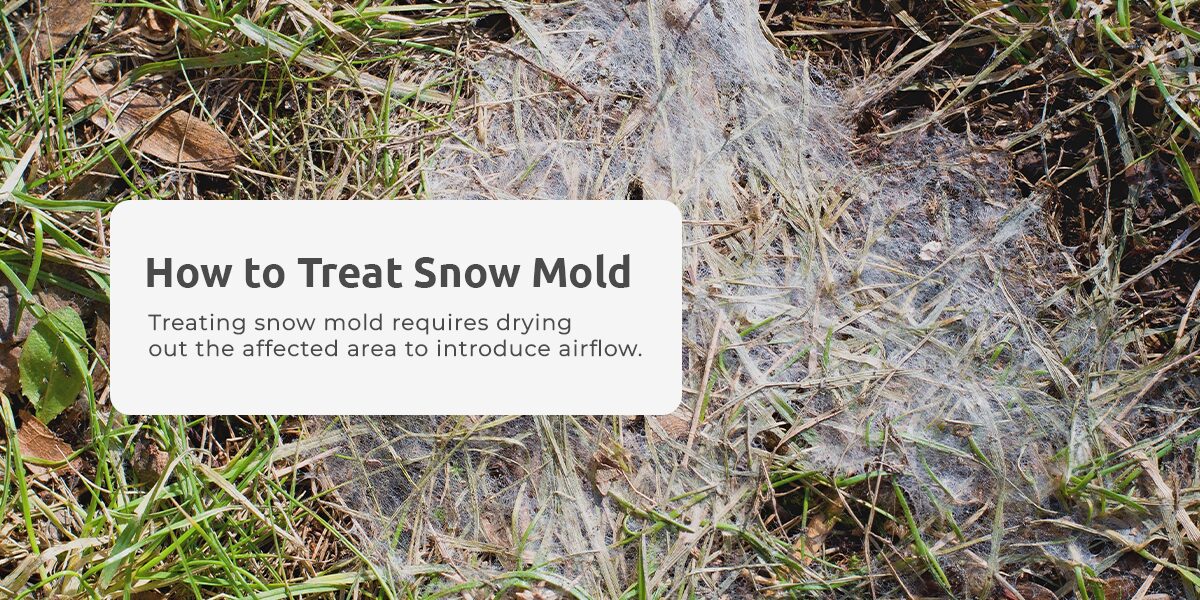
- Matted texture: The grass looks plastered down against the soil. It may feel slimy, wet, or crusty, rather than dry and brittle.
- Color variations: Gray snow mold appears as straw-colored or whitish-gray patches. Pink snow mold, which is often more damaging, has a distinct pinkish or reddish tint at the edges.
- Visible growth: In damp conditions, you might see a web-like fungal growth called mycelium on the grass blades. This looks like a fine, gray, or white spiderweb covering the affected area.
How to Repair a Salt-Damaged Lawn
Salt damage is technically a soil issue, so scattering seed without preparation often yields poor results. Here’s how to repair salt-damaged lawn areas effectively:
- Flush the area: Once the ground has fully thawed and drained, use a hose or irrigation system to heavily water the salt-damaged strips. Apply enough water to leach the salt deep into the soil and move it away from the turf roots. A thorough soaking is more effective than frequent light sprinklings.
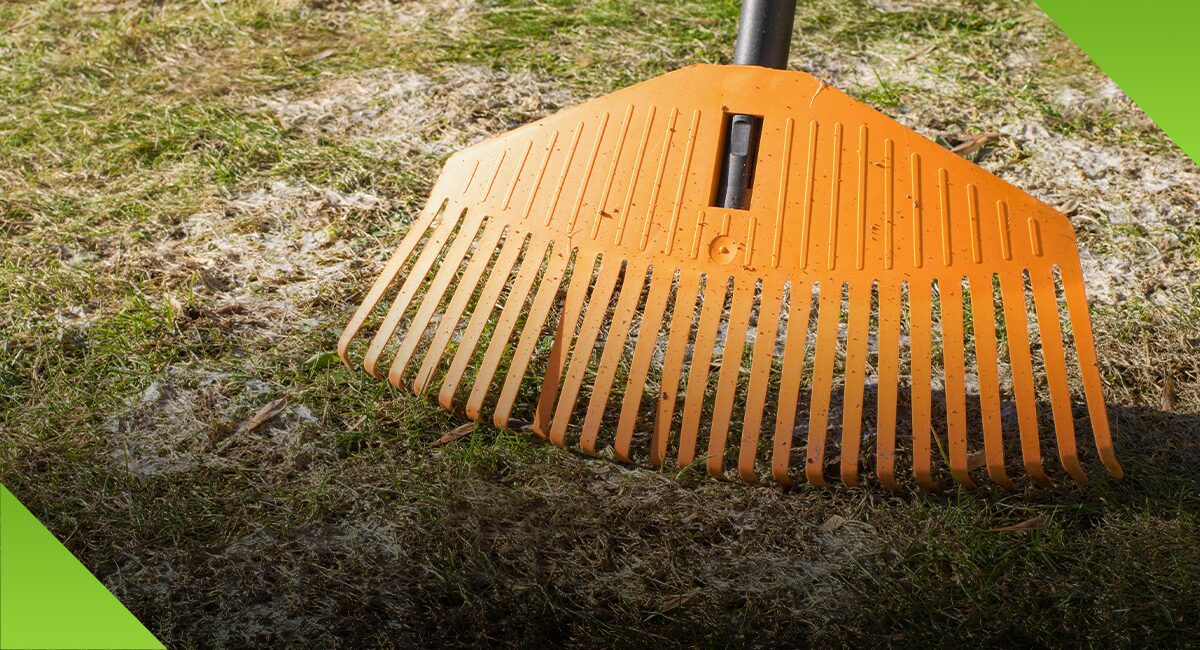
- Remove dead grass: Use a stiff rake to remove the dead, brittle turf. This cleans up the area and exposes the soil for new seed. If the grass pulls up very easily, the roots are likely dead.
- Amend the soil: Flushing alone may not be enough for areas with severe damage. Spread a thin layer of calcium-rich soil amendment, gypsum, or fresh compost over the area to help displace the sodium in the soil and restore the chemical balance.
- Reseed: Choose a hardy, salt-tolerant grass seed mix like fescues. Spread the seed, rake it lightly into the soil, and keep the area consistently moist until germination occurs.
How to Treat Snow Mold
Treating snow mold requires drying out the affected area to introduce airflow. Here are the steps for getting rid of snow mold:
- Gently rake: Use a light, flexible lead rake to fluff up the matted grass, break up the crust of the mold, and lift the grass blades.
- Allow to dry: After fluffing, allow air and sunlight to reach the soil surface to stop the fungus from growing.
- Overseed thin areas: In some cases, snow mold can kill your grass roots. If the lawn does not turn back green after raking and drying, you’ll need to overseed those bare spots.
Preventing Salt Damage
Balancing safety with health is a challenge for property managers. Liability concerns often lead to the over-application of salt, but a strategic approach can reduce damage.
- Use products sparingly: More salt does not always mean more melting. Follow application rules carefully. Often, a small amount of deicer is sufficient to break the bond between the ice and the pavement, allowing plows to do the rest.
- Consider alternatives: Where possible, use alternative deicing products. Calcium magnesium acetate (CMA) is significantly less corrosive and damaging to plant life than standard rock salt (sodium chloride). You can also use sand for traction, though it does not melt ice.
- Manage snow placement: Train your maintenance crews to avoid shoveling or blowing salt-laden snow directly onto the lawn. When plowing, try to pile snow in designated areas that drain away from sensitive properties.
Preventing Snow Mold
You can significantly reduce the risk of snow-related fungal infections by how you manage your lawn in the autumn with these tips:
- Mow until growth stops: Cut your grass shorter than usual before winter to help avoid matting under the snow — this typically leads to snow mold.
- Dethatch in the fall: Excessive thatch acts like a sponge for moisture. Performing a fall cleanup that includes dethatching removes this breeding ground for fungi.
- Avoid piling snow: Large piles of snow take the longest to melt in the spring. This extended moisture exposure guarantees snow mold development beneath the pile. Distribute snow as evenly as possible or pile it on pavement surfaces if drainage allows.
Restore Your Lawn This Spring With Green and Black
Don’t let winter damage detract from your property’s professional, aesthetic appearance. If you need assistance with spring recovery or want to implement a proactive plan for next season, Green and Black is ready to help.
Contact us today for a comprehensive lawn health assessment and a free quote on our property maintenance and winter services.
