
What Irrigation System Upgrades Add Value?
Valuable upgrades include smart controllers that adjust for weather, efficient sprinkler heads that reduce water waste, zone optimization for plant-specific needs, and leak detection systems. Modern irrigation technology saves water, reduces costs, and increases property value while maintaining landscape health.
An outdated irrigation system might not seem like a financial issue, but it often is. For many property owners, irrigation runs quietly in the background. Timers are set, sprinklers turn on, and as long as the grass stays green, the system is considered “good enough.” However, inefficient parts, inadequate zoning, and old controllers can quietly increase water bills and repair costs. For potential homebuyers and tenants, these details can also be a matter of poor first impressions.
The key is knowing which irrigation upgrades provide real return on investment and which just add costs without long-term benefits.
The Hidden Financial Impact of Outdated Irrigation
An irrigation system’s performance directly affects operating costs and the appearance of a property. When systems rely on outdated parts and designs, they usually waste water and increase maintenance needs. Over time, these issues can turn what should be an asset into a recurring liability.
The Real Cost of Water Waste and Inefficiency
Most irrigation systems run on fixed schedules without adjusting for rainfall, temperature, or soil conditions. According to the EPA’s WaterSense program, outdoor water use in the United States exceeds 8 billion gallons per day. Up to 50% may be wasted due to overwatering and system inefficiencies.
For property owners, that waste shows up directly on monthly utility bills. Even small inefficiencies, such as misting from too much pressure or overlapping spray coverage, add up over time.
How Outdated Systems Inflate Operating Expenses
In commercial properties, inefficient irrigation increases operating expenses. Increased water bills, frequent valve replacements, broken heads, and emergency repairs drive up ongoing costs and reduce net operating income. Over time, reactive maintenance often costs more than targeted updates.
Curb Appeal and the “Deferred Maintenance” Signal
Visible irrigation issues not only raise costs but also affect how people view the property. Brown patches, pooling water, or overspray onto sidewalks signal deferred maintenance to potential buyers and tenants.
Today’s buyers and tenants are more cost-aware and environmentally conscious. A clearly inefficient irrigation system suggests higher future expenses and neglected maintenance, both of which can affect valuation and leasing decisions.
4 High-ROI Irrigation System Upgrades
Once the financial impact of inefficiency becomes clear, the next step is to identify upgrades that deliver measurable returns. Not all irrigation improvements add value. The following upgrades consistently lower operating costs, enhance turf performance and improve buyer perception.
1. Smart Controllers and Weather-Based Technology
Traditional timers water on fixed schedules, regardless of whether it rains or the temperature changes. Smart controllers, including weather-based irrigation controllers and soil moisture sensors, adjust watering automatically based on real-time weather data. These technologies are important in water-saving irrigation strategies.
Research shows that smart controllers can cut outdoor water use by 20% to 50% and lead to substantial cost savings on water bills.
In addition to lower water bills, smart controllers:
- Prevent overwatering and runoff.
- Improve turf consistency.
- Reduce plant stress.
- Show modern system management.
For buyers and tenants, automated efficiency indicates proactive ownership.
2. High-Efficiency Nozzles and Pressure Regulation
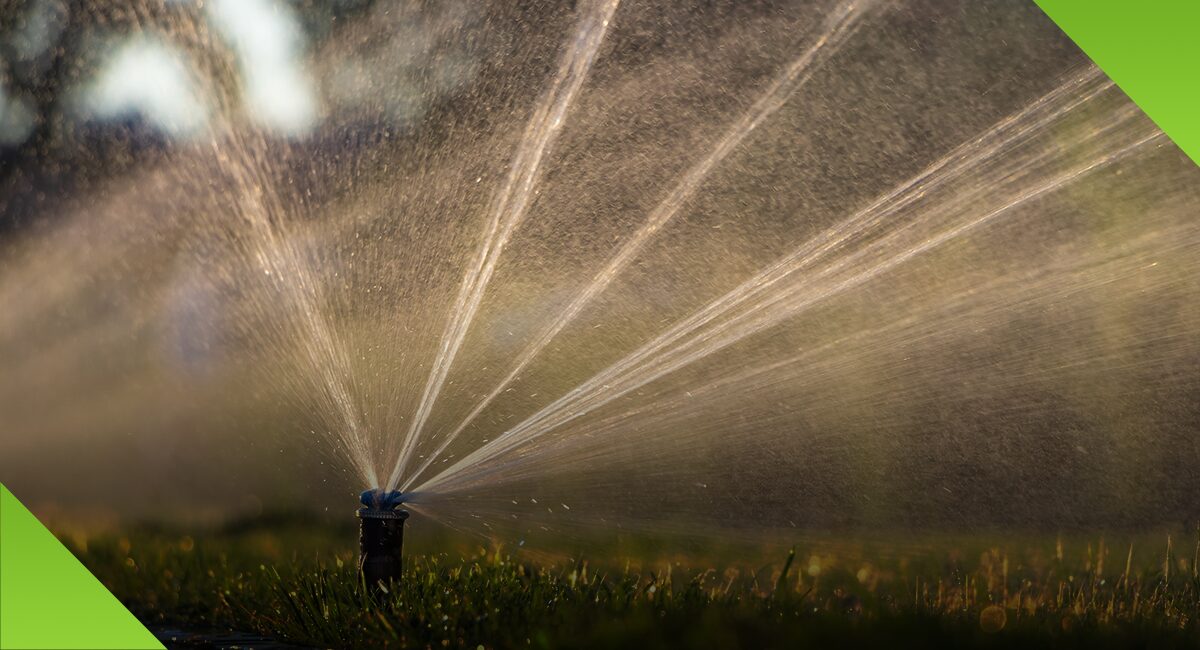
Old spray heads often run at pressures that cause misting or uneven water distribution. Upgrading to high-efficiency multi-stream rotating nozzles and pressure-regulated heads improves accuracy and reduces water waste. These upgrades apply water more slowly and evenly. The result is better soil absorption and reduced runoff onto sidewalks and paved surfaces.
3. Precision Drip Irrigation Conversions
Spray irrigation isn’t always the best choice for shrub beds and landscaped areas. Converting these zones to drip irrigation delivers water directly to plant roots at ground level, reducing evaporation and overspray.
Drip systems:
- Target roots accurately.
- Cut down water loss from heat and wind.
- Improve plant longevity.
- Lower total water usage.
For investment properties, this upgrade benefits both landscape health and operational efficiency.

4. Strategic Zoning Improvements for Micro-Climates
Many outdated systems water all areas in the same way, regardless of sunlight exposure or plant type. Strategic hydrozoning separates turf from planting beds and sunny areas from shaded ones, ensuring all your plants receive proper hydration.
Improved zoning:
- Prevents overwatering in shaded zones.
- Protects turf in high-sun areas.
- Balances water pressure.
- Reduces long-term plant stress.
When irrigation zones are set up correctly, properties maintain consistent turf quality while minimizing unnecessary water use.
Cost vs. Value: Sprinkler System ROI
Smart controllers and efficient components can lower irrigation demand by 15%, depending on the system’s condition and usage patterns. Upgrading old valves, heads, and controllers helps avoid emergency service calls, water damage, and turf replacement costs.
Property owners can estimate potential savings by looking at current water bills and calculating expected reductions. For example:
- Establish a baseline: Identify average monthly irrigation-related water costs.
- Apply a reduction factor: Use a conservative reduction percentage, such as 15% to 25%.
- Annualize the data: Use a 12-month multiplier on the average monthly cost to estimate annual savings.
For commercial properties, even small percentage reductions can lead to significant ROI over time.
The Upgrade Process: From Evaluation to Completion
An audit identifies inefficiencies, pressure issues, and coverage gaps before you make changes. A professional irrigation upgrade generally follows three structured steps to maximize efficiency and long-term value.
1. Do a Professional System Audit
The first step is a thorough inspection of the current system. Check water pressure, zone coverage, soil conditions, controller settings, and component wear. Identifying dry zones, leaks, and overspray helps determine where upgrades will give the best return.
2. Develop a Phased Plan
For larger commercial or multi-property portfolios, you can make upgrades in phases. You might start with a smart controller upgrade, followed by high-efficiency heads or zoning adjustments. Phasing lets you manage your budget while gradually enhancing performance.
3. Practice Ongoing Management
Professional installation and management mean proper calibration, warranty protection, and long-term reliability. Seasonal adjustments, inspections, and winterization help keep efficiency up and protect the system as a long-term asset.
Transform Your Irrigation System Into a Value-Adding Asset
An outdated irrigation system doesn’t have to be a hidden burden. With the right upgrades, it can become a valuable asset that reduces operating costs and boosts curb appeal.
Green & Black LLC provides professional irrigation assessments for commercial and residential properties throughout the south metro Twin Cities area. If you’re ready to see where your system may be losing value and how targeted upgrades can improve efficiency and ROI, request a free quote today.
